
It is entirely accurate to claim that everyone in the world adores the flavor of the berry known as AI. It is a device for things like lifestyle, e-commerce, education, etc. According to the most recent research, 40% of businesses use AI in some capacity. In these few years, it has increased by 300%. The report predicts that by 2030, 95% of people’s daily lives will be impacted by AI.
AI’s Domination
Chatbots and AI assistants have been the most common ways that individuals have been using this. It has simplified our lives and is primarily used in smartphones. All it takes is a spoken command. TATA, Amazon, and other significant businesses use it today. In E-commerce, it helps to create recommendation engines that help engage the customers better. It also takes preferences depending on your interests and search history. Even in Security, it has a great rate of success. It uses technology such as Facial technology, Retinal scan, and Thumb recognition to keep your data secure from intruders. But still, AI has its limitations. At the end of the day,
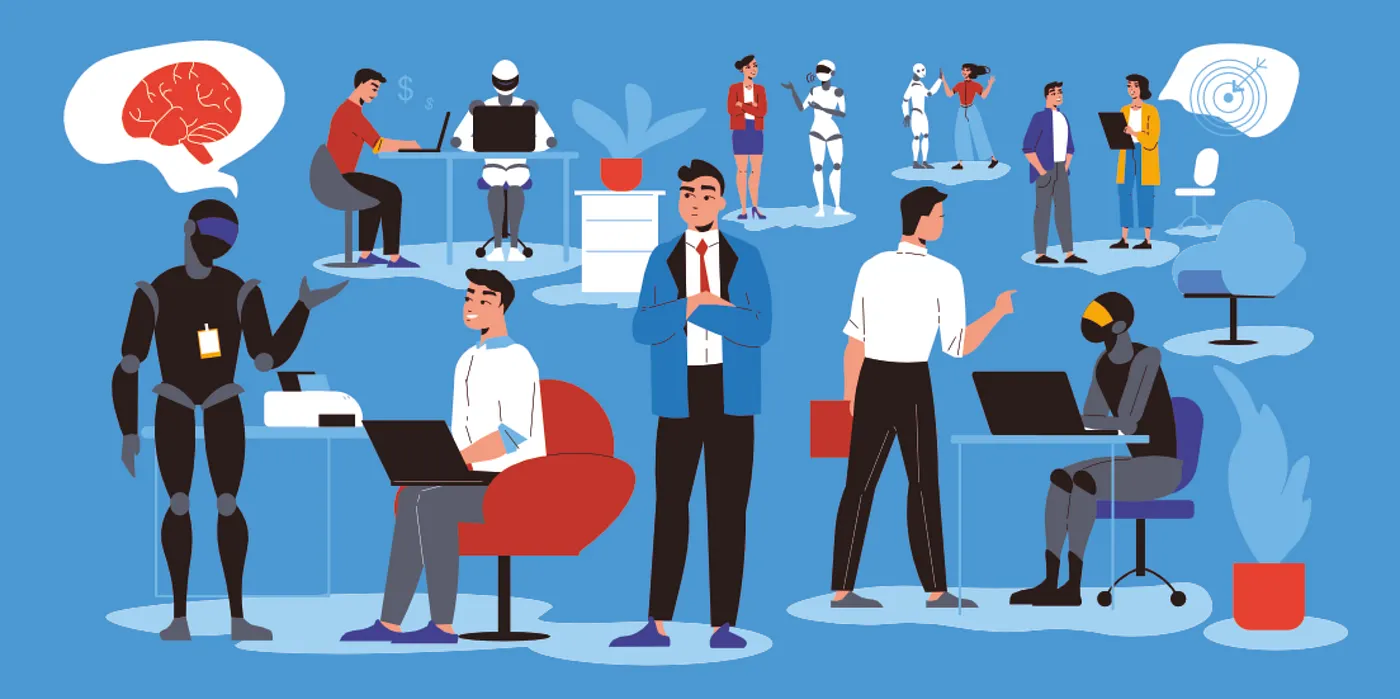
it’s just a code (0 and 1). It makes its decisions based on the data that it has been instructed and may need help comprehending the situations that are not provided. It will always be as effective and sharp as the data given to it. If the data is false or incomplete the results will be inaccurate. AI can be ambiguous at times, it can be challenging to grasp how judgments are made, and lacks the ability to understand human emotions and respond appropriately. despite the fact that artificial intelligence (AI) eventually take over the world with its cutting-edge technology, there are some professions that AI will never be able to replace.
Here is where AI Can’t tremble Humans
Teacher
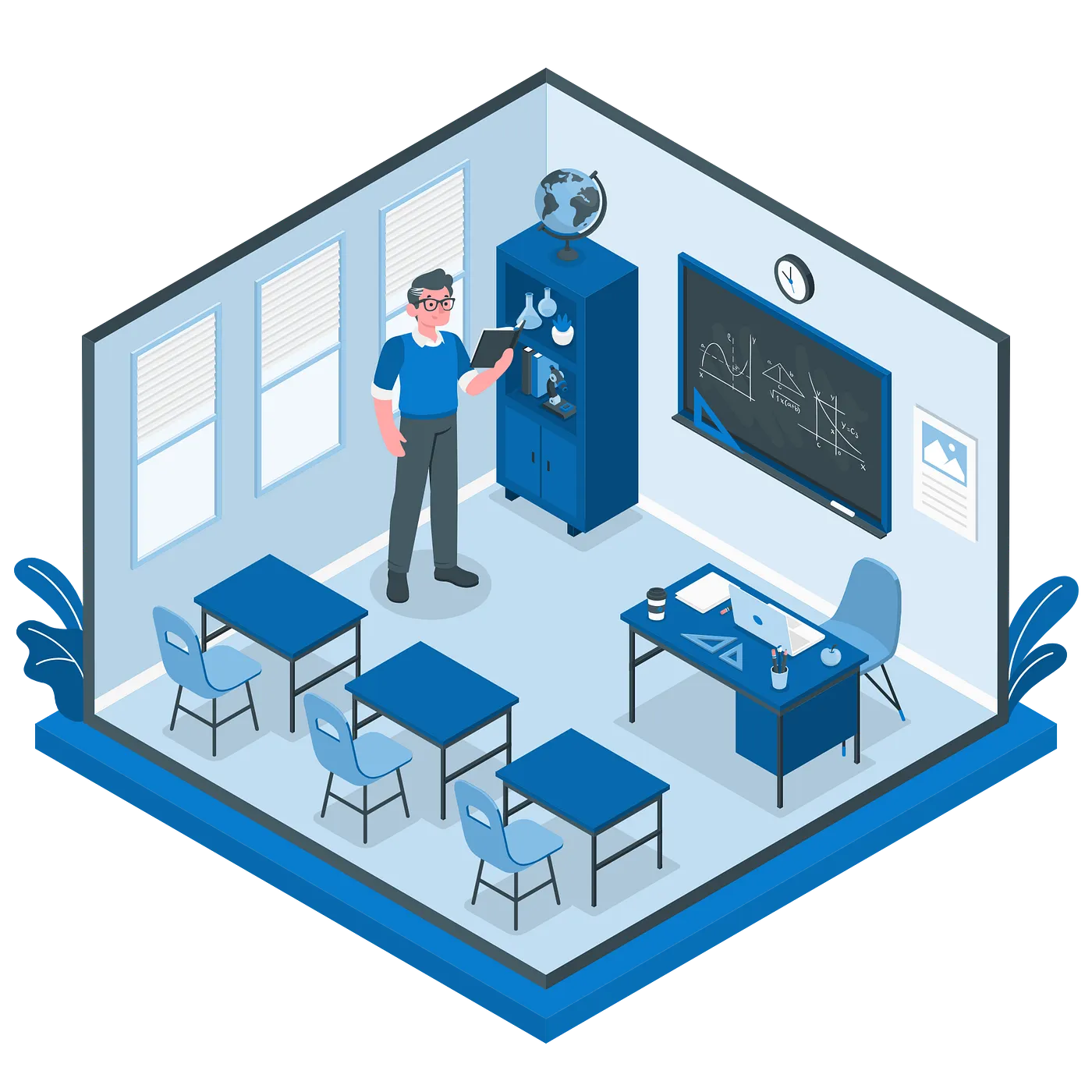
Education has been impacted by the advancement of technology. Whether it be through online courses, study guides, or audio lessons, education has successfully adapted to it in recent years. Both educators and students have benefited from it in their learning. However, since AI’s use was brought to light, critics have been attempting to cast doubt on it. However, technology will never be able to replace a teacher. Students won’t be able to understand because there isn’t any human interaction or touch. They will be able to connect on an intellectual and emotional level, which will aid in their learning.
Creative industry

This is the only sector of the place that depends on creative thinking on an individual basis. AI isn’t creatively original enough. It just doesn’t have the same feelings, unique perspectives, or personal experiences. It is incapable of creating art, writing, or designing. For instance, a vocalist may interpret a song by singing from his or her feelings. People love him because of his fans. That is something that a cannot have and can never comprehend. An AI can never have that.
Get Youth4work’s stories in your inbox
Join Medium for free to get updates from this writer.
Remember me for faster sign in
Personal Relations
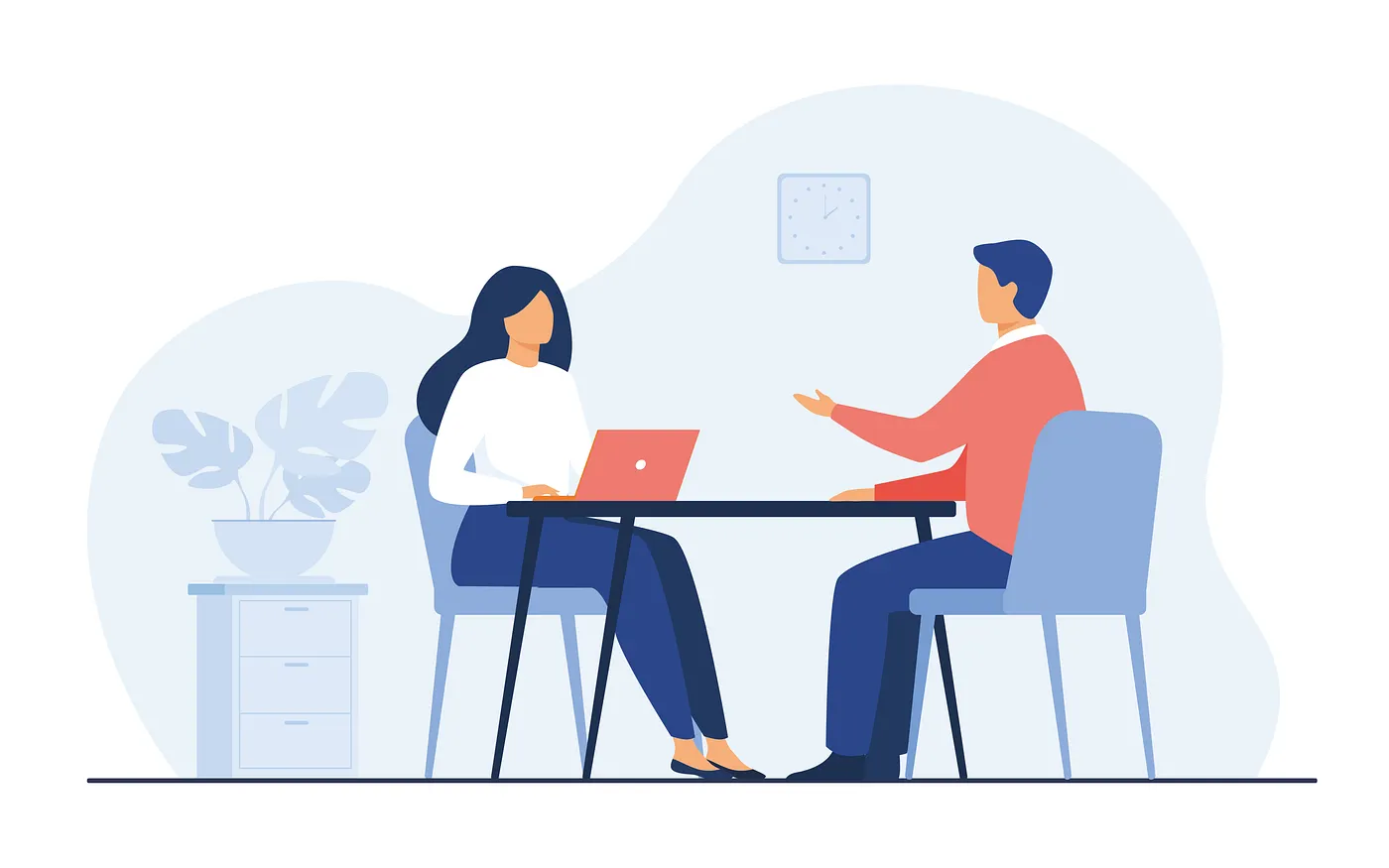
Personal relations or HR is one work that requires patience, and good communication. Understanding organizational goals and coordinating HR strategies to support employees, These professionals play a critical role as strategic partners in a company. The complicated decision-making processes that HR professionals frequently deal with call for in-depth knowledge of the firm, its culture, and its workforce. Building relationships with staff members, managers, and other stakeholders is also a key component of efficient HR management. It will be next to impossible for an AI to replicate this degree of comprehension and cooperation.
Lawyers and Judges
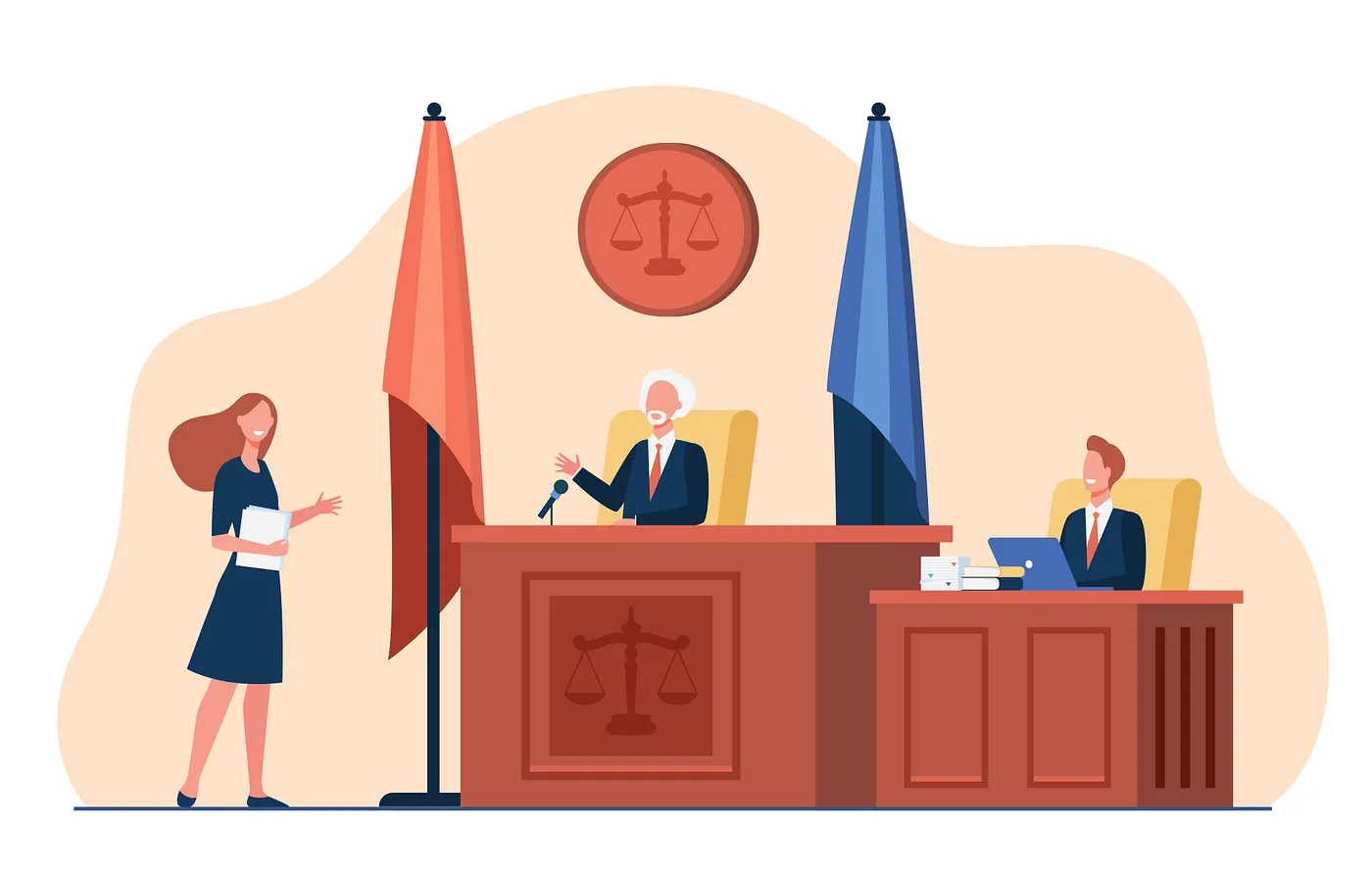
Although AI has many applications in the courtroom, it cannot currently totally replace attorneys and judges. Many judicial judgments involve human discretion and judgment, which AI systems may find difficult to incorporate. Judges can decide cases based on their interpretation of the law and the evidence given, taking into account the particulars of each one. AI is not emotionally intelligent enough to distinguish between fair claims and deceptive ones. The emotional state of the persons concerned can be considered by judges when rendering rulings. AI systems may lack the particular legal knowledge that judges and attorneys do. Due to their extensive education and training, they are able to negotiate the legal system and offer the court and their clients insightful information.
Although AI can be used in courts to assess evidence, support judgments, translate languages, and forecast recidivism rates, its use should be restricted to assisting, rather than displacing, judges, barristers, and attorneys.
Directors, Managers, and CEO

Although AI has many applications in company management, it cannot currently totally replace directors, managers, and CEOs. Directors, managers, and CEOs offer their organizations direction and vision, which AI systems may find difficult to duplicate. They are in charge of establishing strategic objectives, making crucial choices, and motivating their teams to succeed. AI is not emotionally intelligent enough to grasp the subtleties of human motivation and behavior. Directors, managers, and CEOs must have the flexibility to respond to shifting conditions and make judgment calls using conflicting or inadequate information. AI systems may find it difficult to manage unforeseen circumstances or make decisions when there are no established rules or guidelines. Directors, managers, and CEOs need to be imaginative problem-solvers with the capacity to think creatively and develop novel solutions. The programming of AI systems might prevent them from coming up with truly original ideas.
Although AI can be used in company management to analyze data, automate repetitive operations, and generate insights, its usage should be restricted to assisting rather than displacing directors, managers, and CEOs.
Conclusion
In general, when utilized in conjunction with human workers, AI can be a useful tool to increase productivity. Artificial intelligence (AI) can free up human workers to concentrate on more difficult and creative jobs by automating repetitive operations and lowering human error, resulting in a more effective and productive workforce.